Eyebrow Transplant
at maxim hair restoration
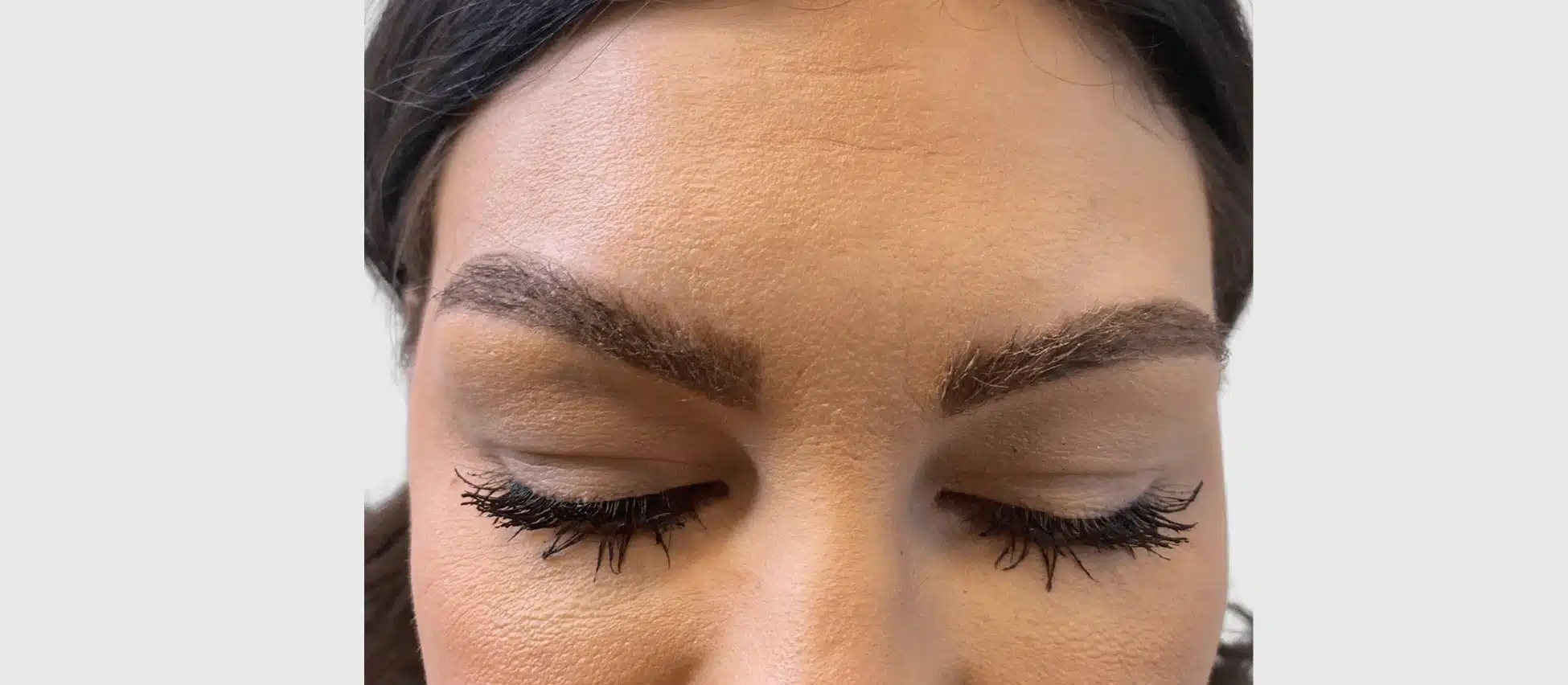
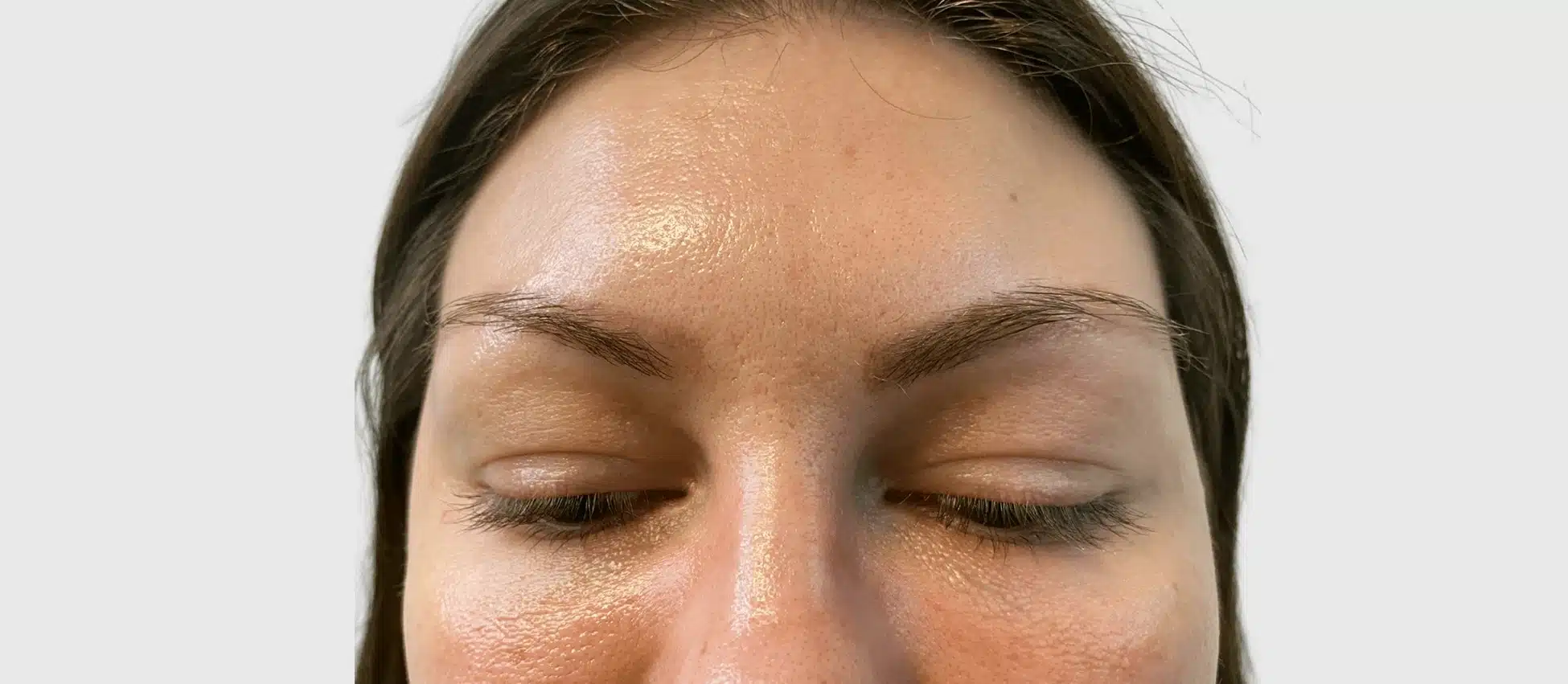
What Is an Eyebrow Transplant?
An eyebrow transplant is a minimally invasive hair restoration procedure that moves healthy hair follicles from a donor area—usually the back or sides of the scalp—to the eyebrow region where hair is thin, patchy, or missing. Each follicle is carefully placed to follow the natural curve, direction, and angle of the brow, creating a realistic shape that blends with your facial features.
Read More
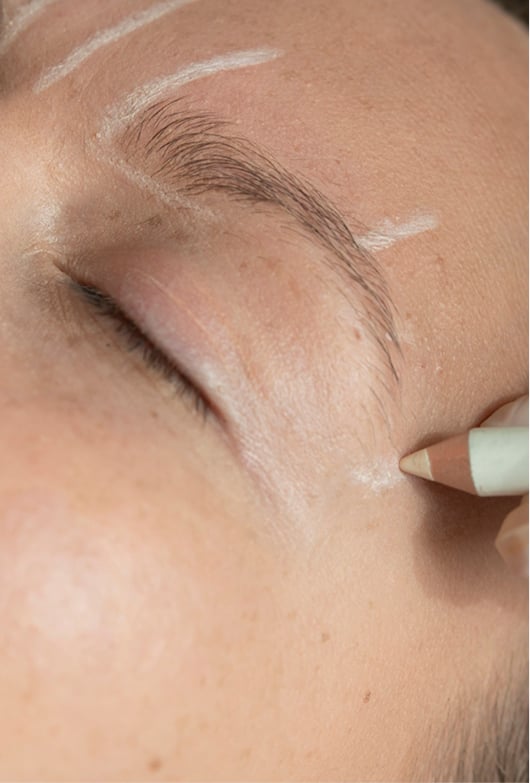
Types of Eyebrow Transplant We Offer
Different clients have different needs, and not all eyebrows require the same approach. At maxim hair restoration, we offer several types of eyebrow transplant and enhancement options that can be performed alone or in combination:
Why Choose maxim for Eyebrow Transplant
Choosing a provider for eyebrow transplant is about more than moving hair from one place to another. Brows sit at the center of your expressions, and small mistakes are easy to see. At maxim hair restoration, we combine medical precision with aesthetic judgment to deliver natural, face-framing brows.
Our doctors and clinicians perform eyebrow restoration regularly, not as an occasional add-on. They understand brow symmetry, arch height, hair direction, and how to design brows that match your features and personal style.
Eyebrow transplantation is performed in a clinic setting under local anesthesia. You stay awake and comfortable, can listen to music, and go home the same day with simple aftercare instructions.
Our Gallery
Proven outcomes backed by experience and expertise
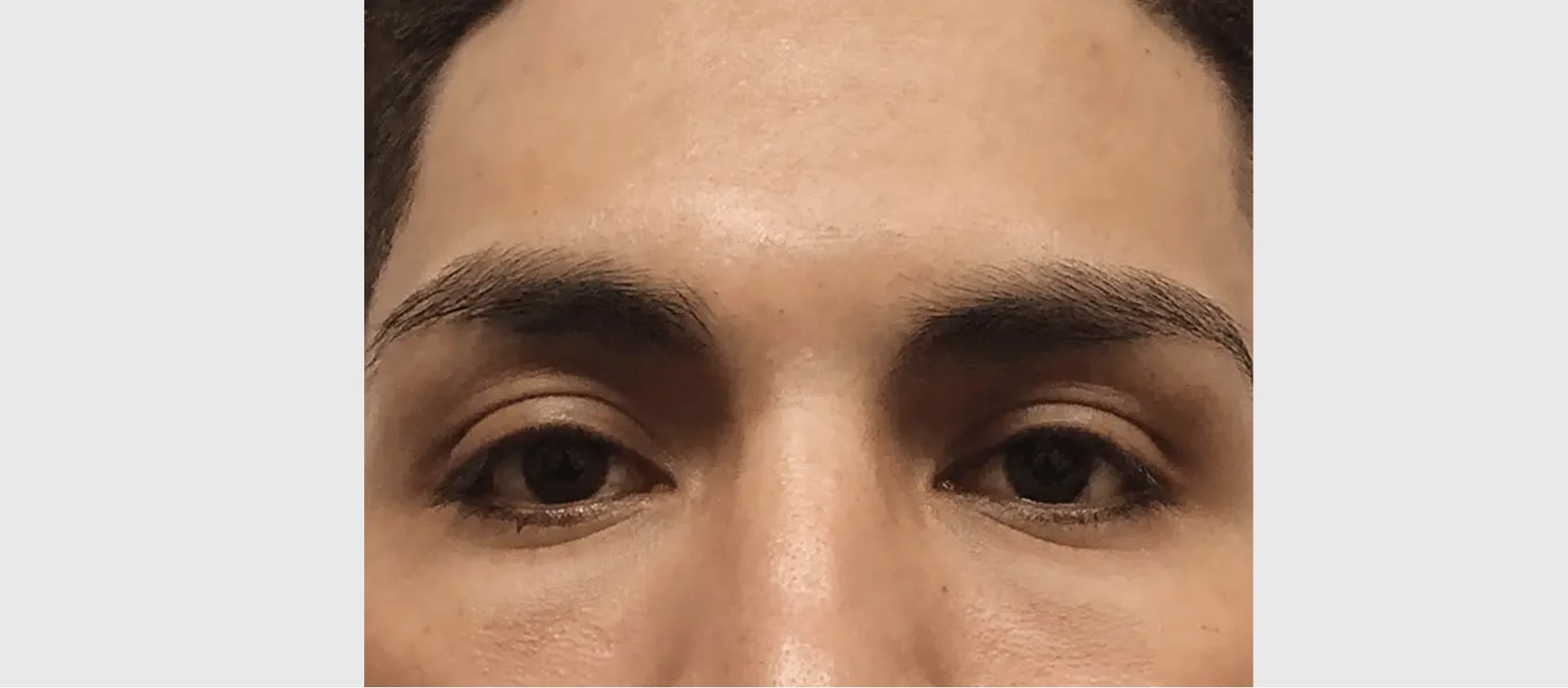
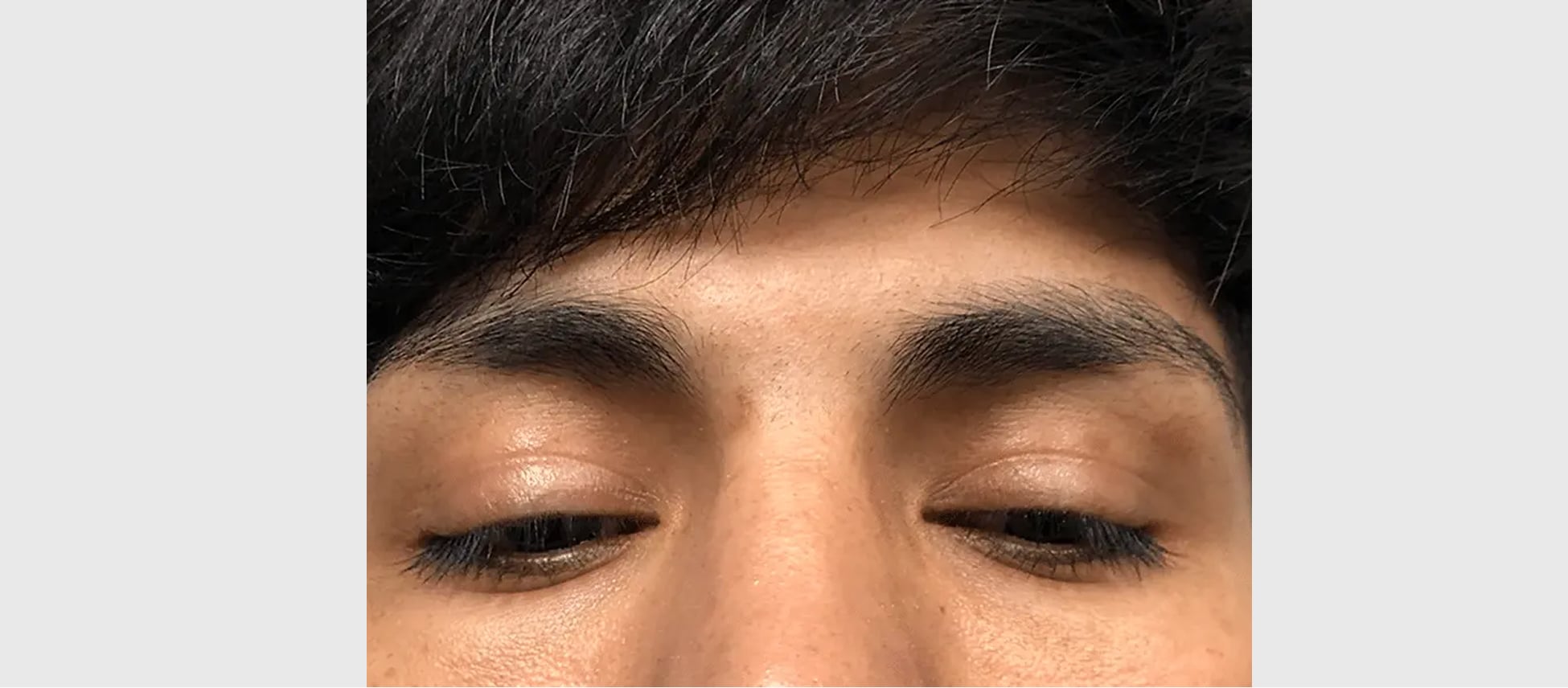
Advantages of Eyebrow Transplant

Permanent, Real Hair
Instead of makeup that washes off or pigment that fades, eyebrow transplants rebuild your brows with living Read More

Natural Look and Feel
Because your own hair is used, the final result looks and feels like real brows. With proper design and Read More

Custom Shape and Density
You are not locked into a “standard” shape. Your surgeon can design brows that are soft and subtle, Read More

Ideal for Over-Plucking or Thinning
Many clients have lost brow density due to years of plucking, waxing, threading, or aging. Read More
Eyebrow Transplant Technologies

Refined FUE Systems
We use modern FUE systems and micro-punches designed to harvest individual follicles with minimal trauma. Read More

Microscopic Graft Preparation
Grafts are prepared and examined under magnification so that single-hair units can be selected for the Read More

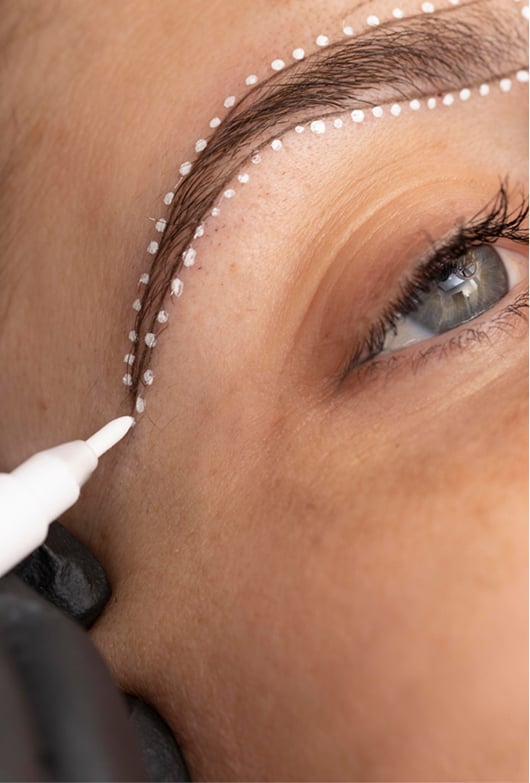
Digital Brow Design and Mapping
Digital planning and brow mapping help outline the desired shape, height, and thickness before Read More

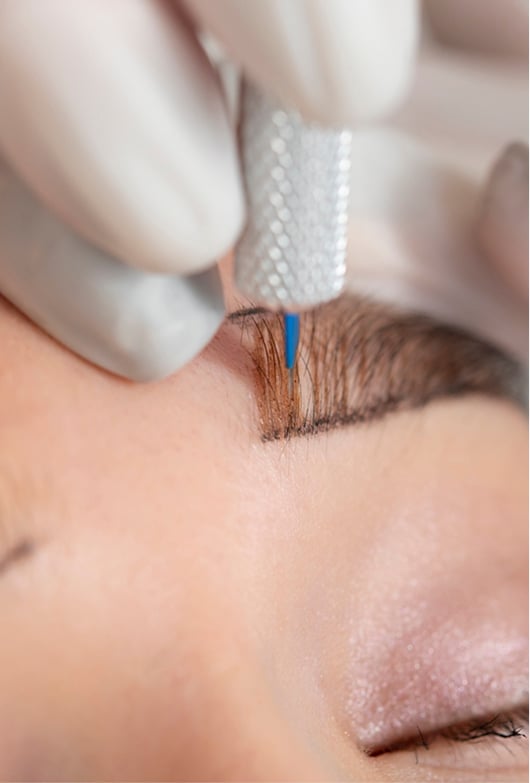
Fine, Angled Incision Tools
Very small blades or needles are used to create recipient sites at carefully controlled angles and directions, Read More
Contact us
Our Specialized Eyebrow Transplant Doctors & Clinicians
At maxim hair restoration, your eyebrow transplant is performed by a team that works with hair and brows every single day.
Our doctors and clinicians are trained in both scalp and facial hair restoration and understand the unique demands of the brow region, where millimeters matter and every hair counts.
Read More
Preparing for Your Eyebrow Transplant Journey
A smooth eyebrow transplant experience starts with good preparation.

Consultation First
You will meet one-on-one with a doctor or clinician to review your medical Read More

Pre-Procedure Instructions
You may be asked to stop certain blood-thinning medications (only with your
Read More

Scalp Preparation
Your donor area should be clean on the day of your eyebrow transplant. In many Read More

Health & Labs
If you have underlying health issues such as heart disease, hypertension, or Read More

Plan for Recovery
While eyebrow transplants are outpatient procedures, you should plan for a few Read More
Procedure Details & Duration
A little preparation goes a long way in ensuring success
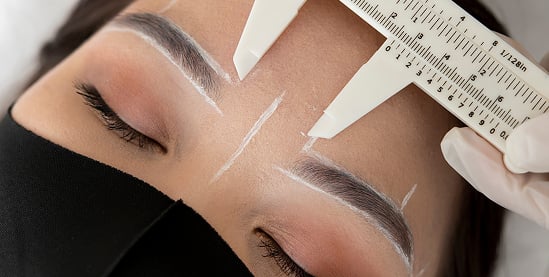
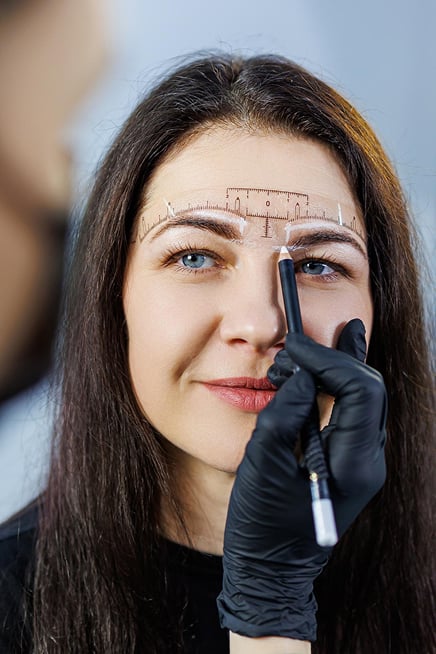
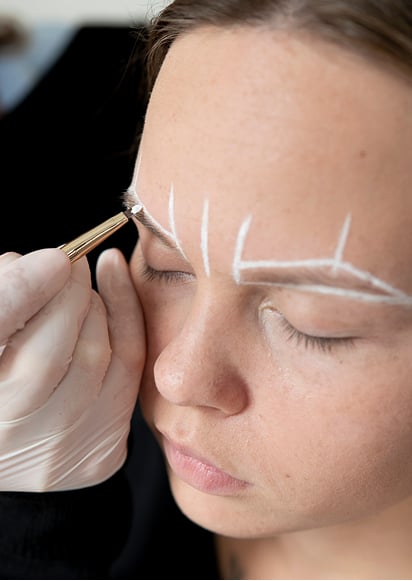
On the day of your eyebrow transplant, you will arrive at the clinic, review your design, and have your donor and brow areas marked. Local anesthesia is applied to keep you comfortable in both regions. Once numb, your doctor will harvest hair follicles from the donor area—usually behind the ear or along the back of the scalp—using FUE or, in select cases, a very small FUT strip.

Grafts are then refined under magnification, with an emphasis on selecting single-hair follicles for the brow area to ensure a soft, natural look. The surgeon then creates tiny recipient sites in your brows at specific angles and directions, following the agreed design. Each follicle is placed one by one to shape the head, arch, and tail of your brow with precision.
Recovery & What to Expect Next
A little preparation goes a long way in ensuring success
Immediate Recovery
After your eyebrow transplant, it is normal to experience mild swelling, redness, Read More
Shedding Phase
In the first few weeks, many of the transplanted eyebrow hairs will shed as part of Read More
New Growth
Early new growth typically appears around three to four months after the Read More
Visible Results
Most clients notice a clear change in eyebrow fullness by six to nine months post- Read More
Final Outcome
Full maturation of the transplanted brows typically occurs around 12 months, Read More
Frequently Asked Questions
Helpful information to guide your hair restoration decisions.

Blogs
Insights, guides and updates from the world of hair restoration.