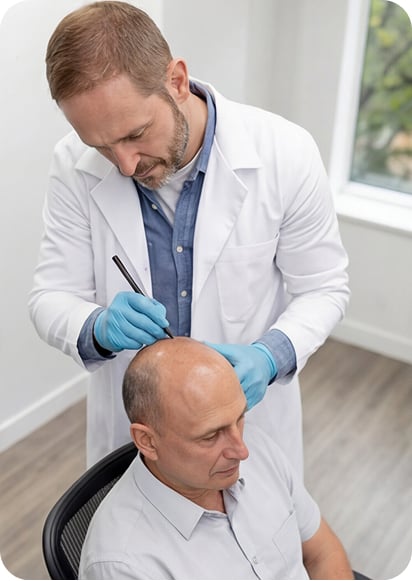
Autologous Conditioned Plasma (ACP)
at Maxim Hair Restoration
What Is Autologous Conditioned Plasma (ACP)?
Autologous Conditioned Plasma (ACP) is a regenerative, non-surgical treatment that uses the healing components in your own blood to support healthier, stronger hair growth. Instead of relying on synthetic drugs or invasive surgery, ACP isolates the most active portion of your blood plasma—rich in platelets, growth factors, and repair proteins—and delivers it directly to thinning or fragile areas of the scalp.
Read More
Types of Autologous Conditioned Plasma (ACP) We Offer
At maxim hair restoration, every ACP protocol is customized around your hair loss pattern, medical history, and long-term goals. We use different ACP strategies depending on how aggressive your thinning is and whether you are combining it with other hair restoration services:
Why Choose maxim for Autologous Conditioned Plasma (ACP)
At maxim hair restoration, ACP is not an add-on performed as an afterthought—it is an integral part of our regenerative hair restoration toolkit. Here is why clients trust us for this advanced biologic therapy:
Every ACP protocol is designed and overseen by experienced physicians and clinicians who understand both modern Western standards of care and cutting-edge global regenerative techniques. This combination allows us to offer ACP in a way that is safe, evidence-based, and customized.
Advanced transplant tools and refined surgical methods go hand-in-hand with regenerative support. The same attention to precision that we bring to instruments like sapphire blades and micro FUE is applied to timing, dosing, and distribution of ACP.
Our Gallery
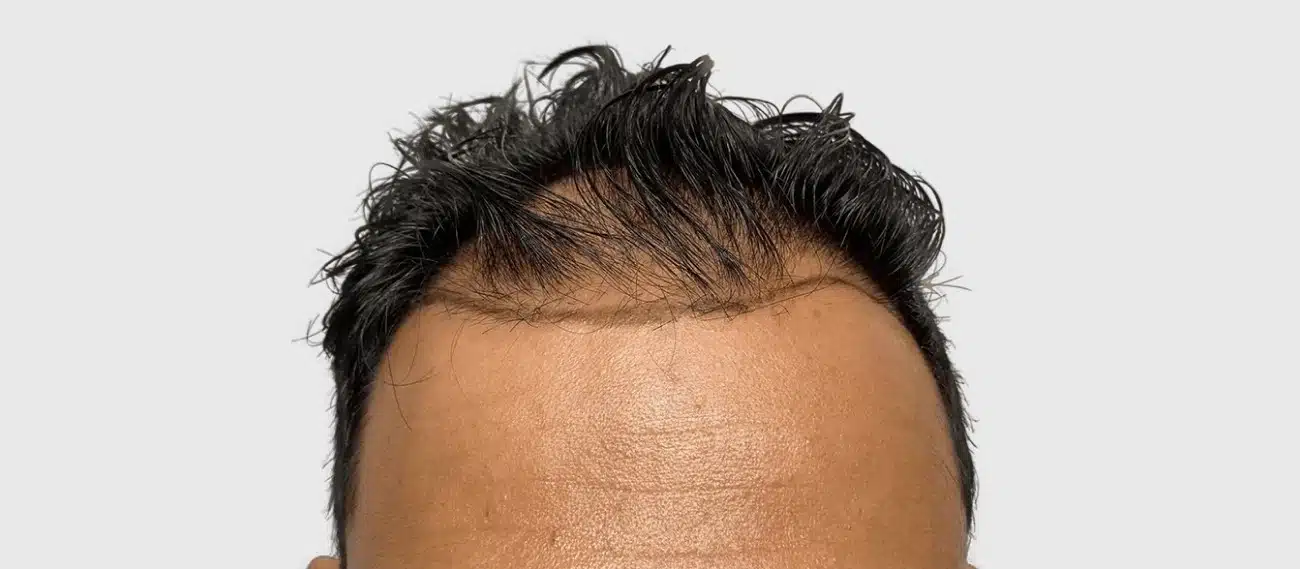
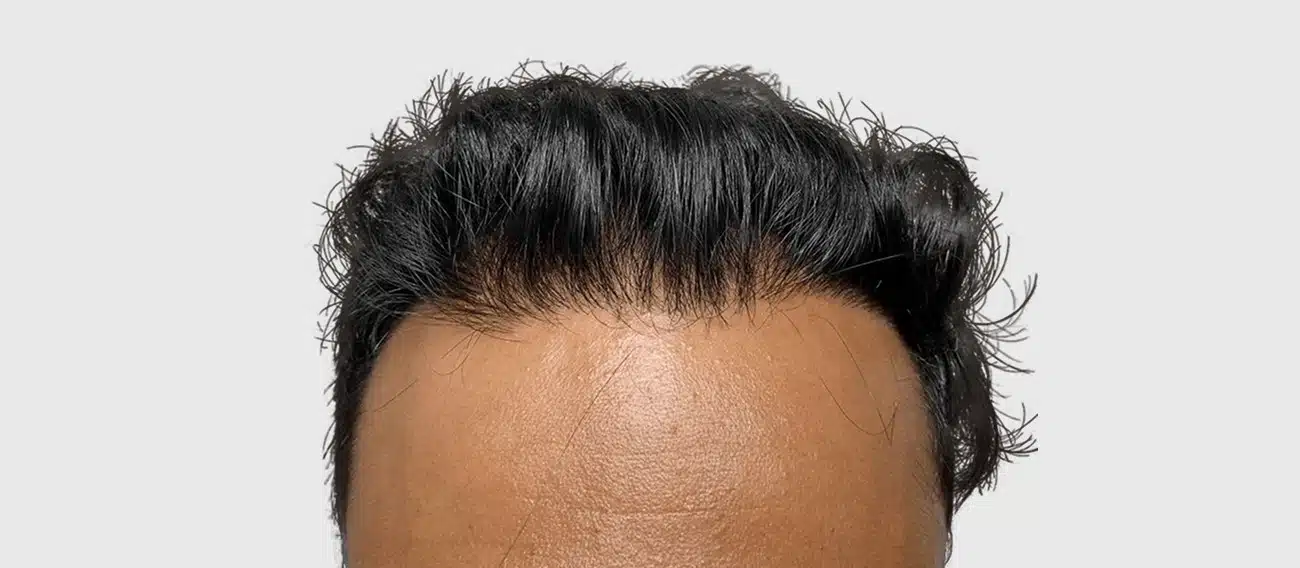
Proven outcomes backed by experience and expertise
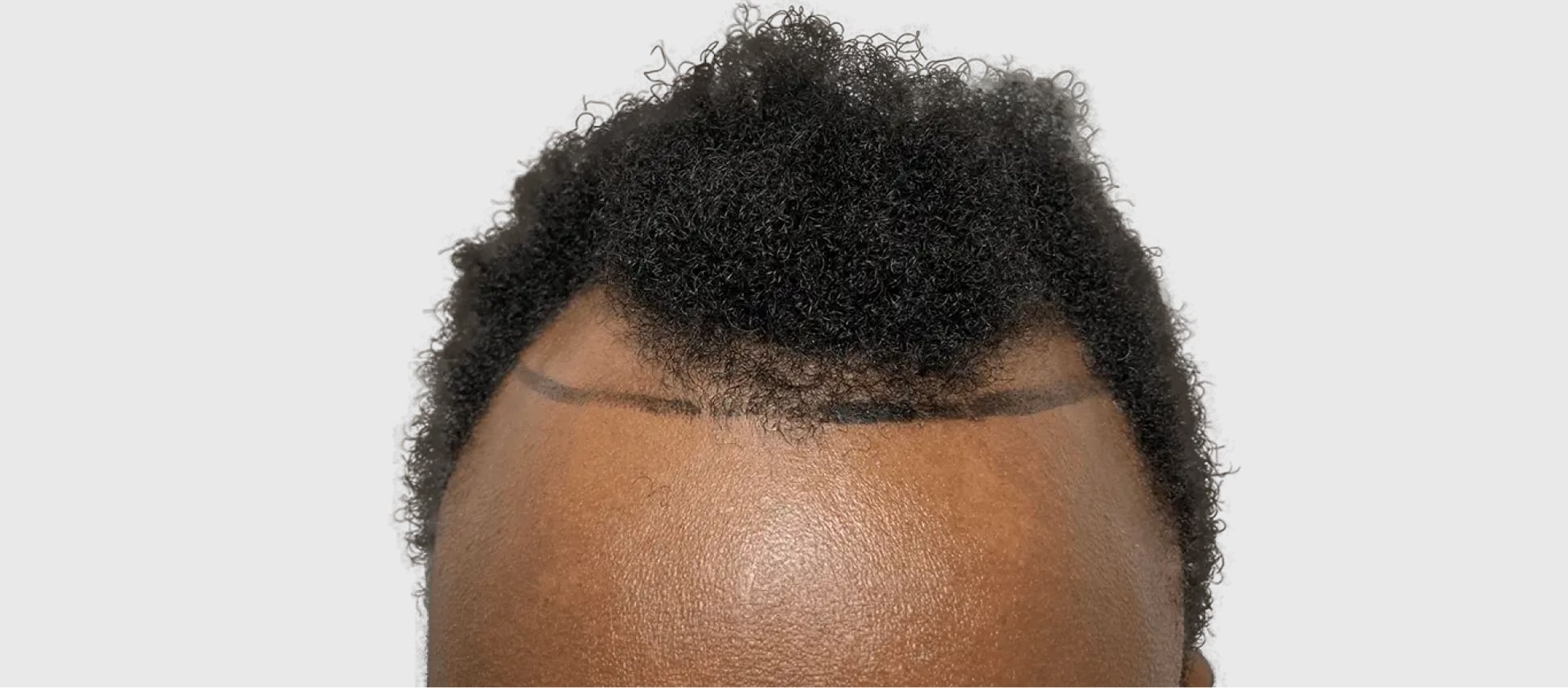
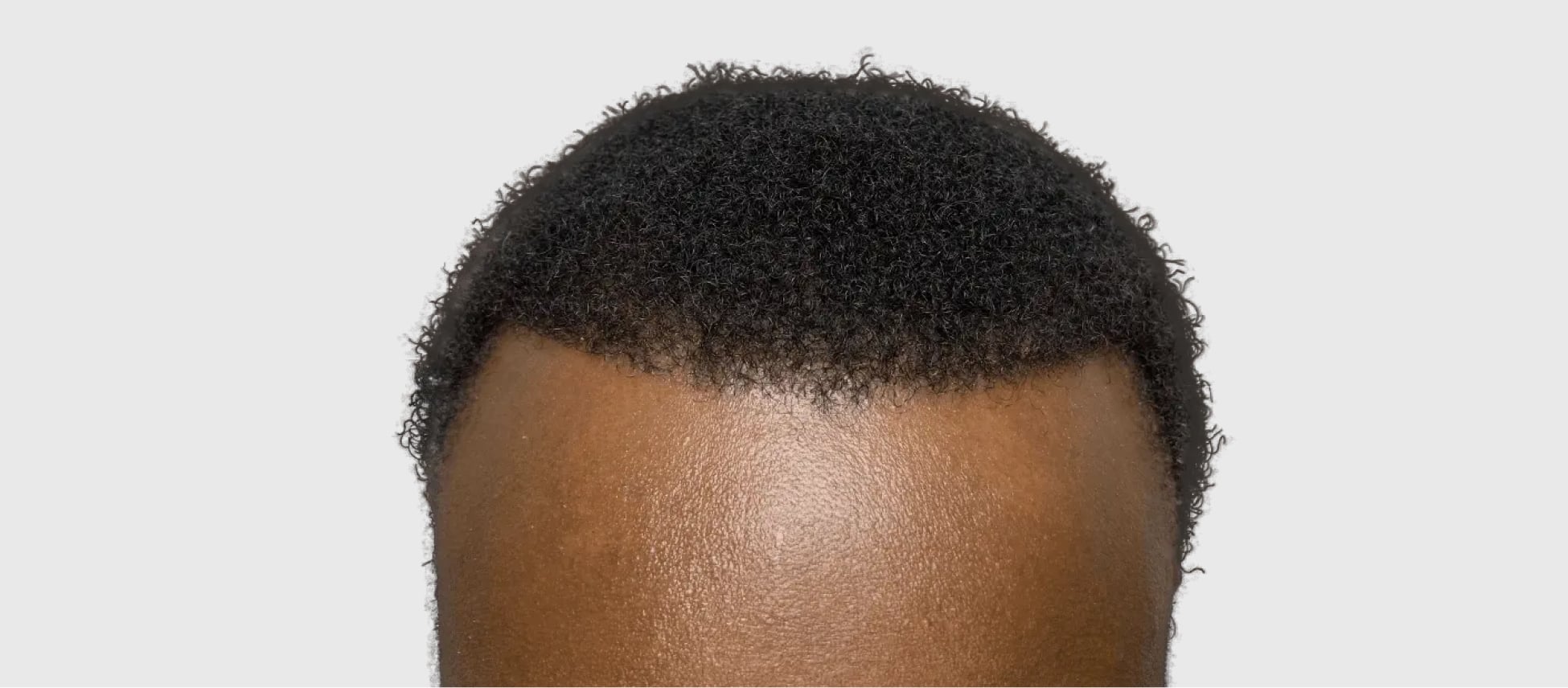
Advantages of Autologous Conditioned Plasma (ACP)

No Linear Scar
ACP is a needle-based, non-surgical procedure and does not involve incisions or sutures. Read More

Fast Recovery
Most clients leave the clinic and return to normal daily activities the same day. Mild redness or sensitivity Read More

Natural Results
Because ACP uses your own plasma and growth factors, the results blend seamlessly with your existing hair. Read More

Versatility
ACP can be used on the scalp, along the part, around the temples, at the hairline, and even near transplant Read More

Permanent Solution
ACP does not permanently change your genetics, but it can help preserve and improve the lifetime Read More
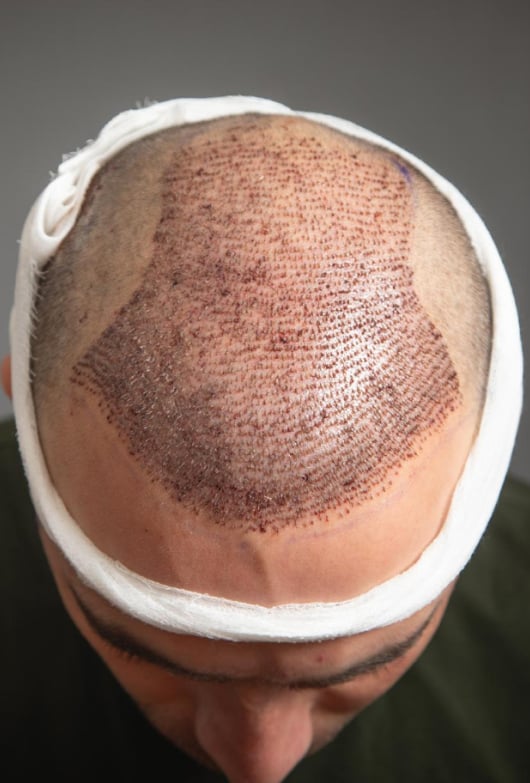
Autologous Conditioned Plasma (ACP) Technologies

Closed-System ACP Centrifuges
We use specialized closed systems that separate red cells, white cells, and plasma in a controlled Read More

Optimized Spin Protocols
The way blood is processed matters. Time, speed, and spin cycles are selected to balance Read More

Sterile, Single-Use Kits
All collection and processing kits are sterile and single-use, which supports safety and consistent Read More

Precision Injection Techniques
Our clinicians use fine-gauge needles, strategic depth control, and patterned injection mapping to deliver Read More
Contact us
Our Specialized Autologous Conditioned Plasma (ACP) Doctors & Clinicians
Our ACP doctors and clinicians specialize in hair restoration and regenerative medicine, which means they understand how to integrate biologic therapies into a real-world hair loss plan. They are not general aestheticians dabbling in scalp injections; they are professionals who focus every day on protecting and restoring hair.
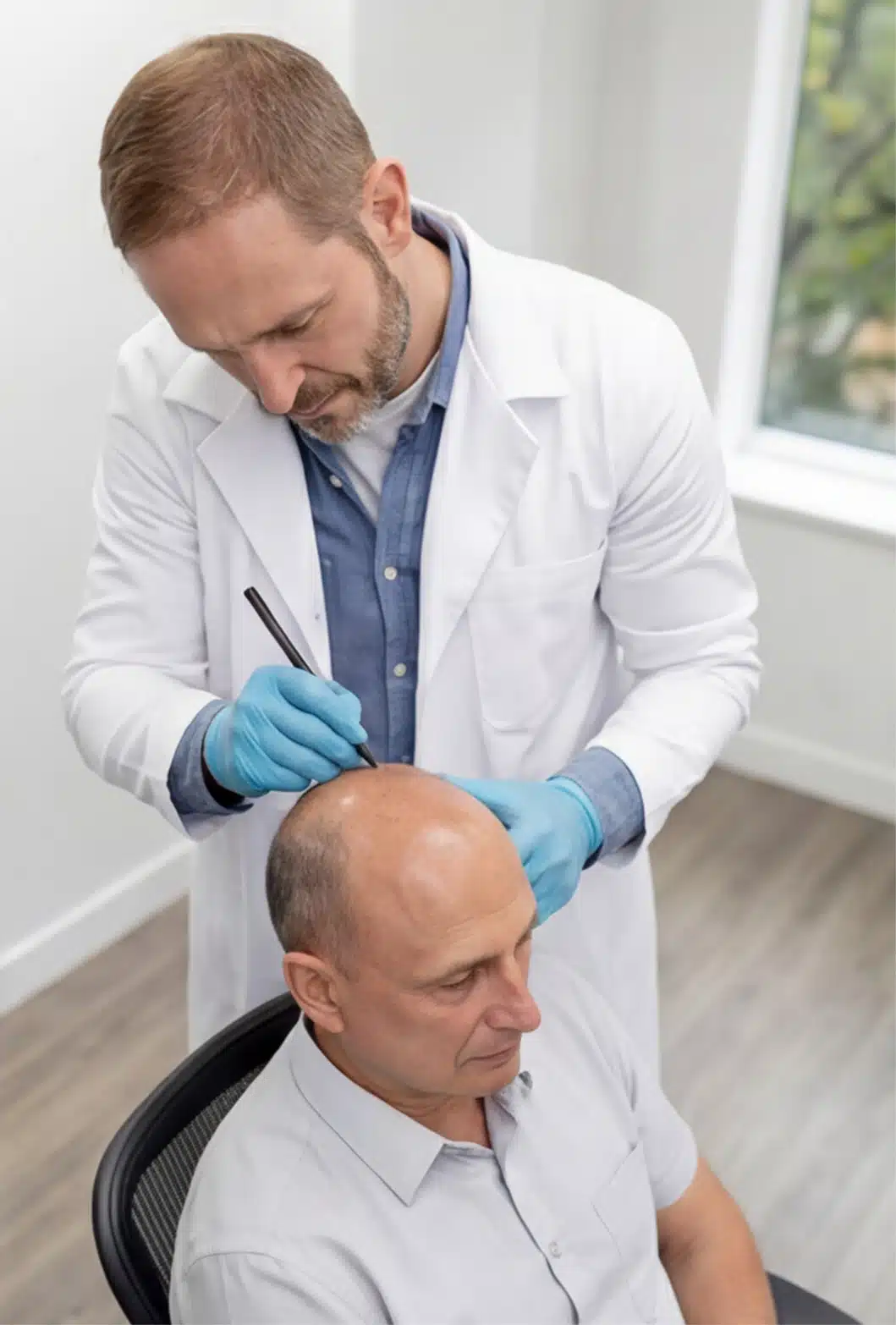
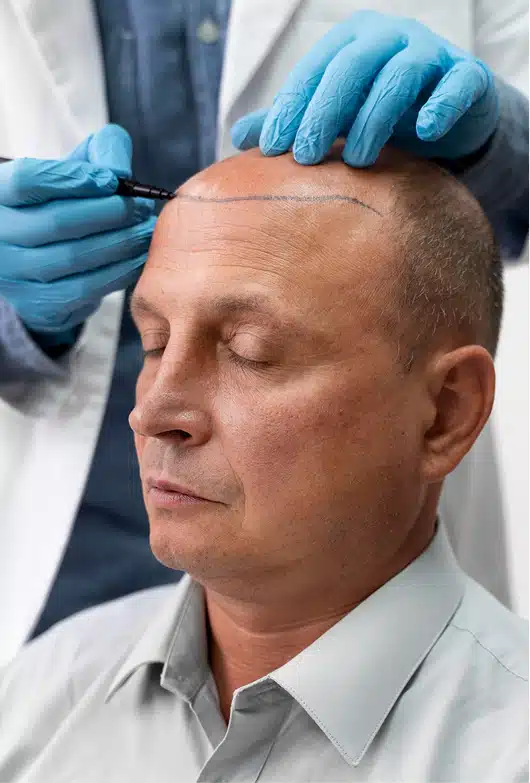
During your consultation, your provider reviews your medical history, medications, family patterns of hair loss, and lifestyle factors that may be impacting your hair. They examine your scalp, assess donor and thinning regions, and talk through what you hope to achieve—whether that is slowing early shedding, thickening specific areas, or supporting an upcoming transplant.
Read More
Preparing for Your ACP Journey
A little preparation helps you get the most from each autologous conditioned plasma session:

Consultation First
Meet one-on-one with our team to review your hair loss history, medical Read More

Pre-Procedure Instructions
You may be asked to avoid alcohol and certain medications or supplements that Read More

Hair & Skin Prep
Arrive with clean hair and a product-free scalp. We typically ask you to wash with Read More

Health & Labs
In some cases, basic labs or medical clearance may be recommended, especially if Read More

Plan for Recovery
Most clients return to daily life right away, but you may prefer to schedule your Read More
Procedure Details & Duration
A little preparation goes a long way in ensuring success

An ACP session is straightforward and typically completed in under an hour. First, a small amount of blood is drawn—similar to routine lab work. This sample is placed into a specialized device that spins and separates the blood into distinct layers. The clinician then isolates the plasma portion enriched with platelets and growth factors.

Once the ACP is prepared, the scalp is cleansed and, if needed, a topical numbing agent may be applied to improve comfort. Using fine needles, your clinician injects the conditioned plasma Read More
Recovery & What to Expect Next
A little preparation goes a long way in ensuring success

Immediate Recovery
You may notice mild sensitivity, swelling, or redness at the injection sites. These Read More
Shedding Phase
It is normal for the transplanted hairs to shed in the weeks after the procedure. Read More
New Growth
Early improvements often show up as less shedding, better texture, and Read More
Visible Results
Many clients start to see noticeable improvement in volume, coverage, or part- Read More
Final Outcome
Long-term results depend on your stage of hair loss, genetics, and how Read More
Frequently Asked Questions
Helpful information to guide your hair restoration decisions.