Hair Loss In Women
Hair is a prominent feature of our physical identities and losing it can be detrimental to one’s self-esteem and mental health. With that in mind, it’s imperative to understand potential causes of hair loss Read More
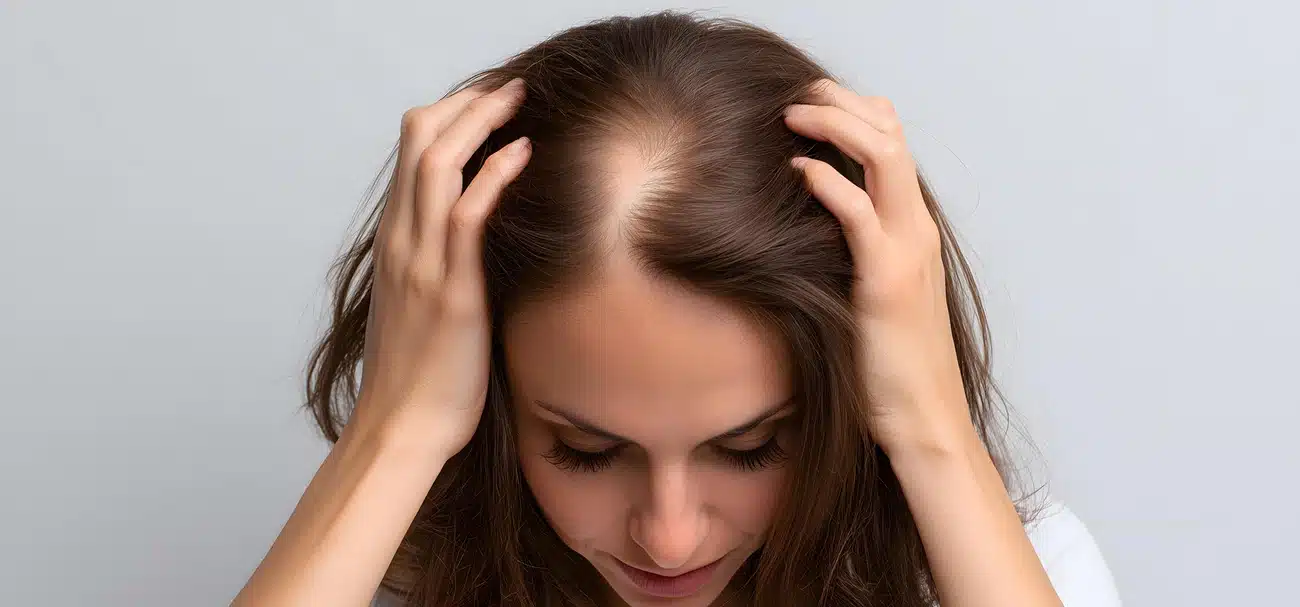
Androgenetic Alopecia (Female Pattern Hair Loss)
Androgenetic Alopecia (AA) is the most common type of hair loss in men and women. This phenomenon is known as pattern hair loss or baldness. In women, this condition typically onsets with a gradual thinning of the hair part line, eventually leading to diffuse hair loss from the top of the scalp. Women infrequently suffer from a receding hairline or total baldness compared to their male counterparts. Studies have shown the most prominent cause of female pattern hair loss is poor regulation of an enzyme known as aromatase. When this occurs, it can increase free testosterone which may ultimately damage hair follicles.
Pregnancy/Postpartum
Hair loss during pregnancy affects many women and is generally not a major cause for concern. As is the case with other bodily changes during pregnancy, symptomatic hair loss is frequently temporary. Approximately 10-15% of hair is in a “telogen resting state” at any given time, meaning it is not actively growing. The percentage of hairs in this phase may increase during pregnancy for some women. On the contrary, pregnancy significantly increases the level of estrogen hormones in the body which stimulates hair growth.
Hair loss more commonly occurs in the months post-delivery. This hair loss is most often due to increased estrogen levels returning to baseline. Women may experience moderate hair loss during this period as the hair follicles return to their normal cycle. This condition is known as telogen effluvium, where a significant number of hair follicles prematurely enter the resting phase, leading to increased shedding. This condition is most often temporary.
Menopause
Menopause, a natural biological process marking the end of a woman's reproductive years, is a major contributor to hormonal changes in the body that can lead to hair loss. Estrogen stimulates hair growth by delaying the onset of the resting phase, and as menopause sets in, estrogen levels significantly decrease. This hormonal shift has been linked to female pattern baldness.
Iron Deficiency
Iron is responsible for the production of hemoglobin, a protein essential for oxygen transport throughout the body. When iron levels decline, so too does the delivery of oxygen to hair follicles, impeding their growth ability. This deficiency can lead to telogen effluvium. Maintaining adequate iron intake through a balanced diet or supplementation is a pertinent preventative measure to avoid unwanted hair loss.
Stress
Chronic stress releases cortisol in the body, a hormone associated with the body's fight-or-flight response. Elevated cortisol levels disrupt the normal hair growth cycle, pushing more follicles into the shedding phase. Additionally, stress can constrict blood vessels, reducing nutrient supply to hair follicles. This combination of hormonal imbalance and compromised blood flow contributes to telogen effluvium, leading to diffuse hair thinning. Managing stress through relaxation, therapy, and/or medication is paramount to preserving mental health—and in turn, healthy hair.
Scalp Disorders
Conditions such as seborrheic dermatitis, psoriasis, and alopecia areata are leading scalp disorders resulting in significant hair loss. Seborrheic dermatitis is a treatable condition marked by red, scaly patches. Psoriasis is characterized by a scaly rash and, while symptom management options are available, this condition cannot be cured. Alopecia areata, an autoimmune disorder, causes the immune system to attack hair follicles. For conditions such as these, it is best to first consult treatment options with your primary care physician.
While hair transplants offer transformative solutions for hair loss, they are not optimal for everyone. Consultation with a hair transplant professional or other pertinent healthcare provider will ensure a thorough assessment of candidacy.
Ideal candidates are generally healthy individuals with stable donor hair areas. These individuals would have realistic hair restoration goals with sufficient donor hair to achieve them.
Conversely, poor candidates would lack stable donor hair, rendering a hair transplant impractical. Other factors include pertinent health history, medical conditions, and unrealistic goals. This combination may cause certain individuals to not benefit from a hair transplant procedure.
A successful hair transplant relies on a healthy individual with suitable donor hair and realistic expectations. Consulting with a qualified medical professional is the first step in assessing the candidacy for a hair transplant procedure.
Eyebrow Transplants
The most common hair transplant procedure among women is an eyebrow transplant. This procedure involves harvesting hair follicles from a donor site, typically the back or sides of the scalp, and transplanting them to the eyebrow area. This technique provides the most natural-looking results with long-lasting benefits. Learn more about eyebrow transplants here.
In summary, female hair loss is complex and requires individual assessments and treatments. The experienced clinicians and doctors at MAXIM have significant experience with female patients and can recommend surgical and/or non-surgical hair loss treatments including topical and oral regimens.
Schedule Appointment
Our Products
Shop Now!

Shampoo
MAXIM Shampoo cleans the scalp and provides nourishment to hope repair damaged hair and thickening and boosting volume.

Conditioner
MAXIM Conditioner's hydrating and moisturizing formula that conditions the hair, provides essential nutrients for improving texture and volume.

Blogs
Insights, guides and updates from the world of hair restoration.